German silver: neither German nor silver
A misleading name for the warm, slowly changing alloy behind many traditional watch movements, where material choice becomes part of the decoration.
German silver is one of those material names that is almost wrong on purpose. It is not silver, and its history is not purely German either.
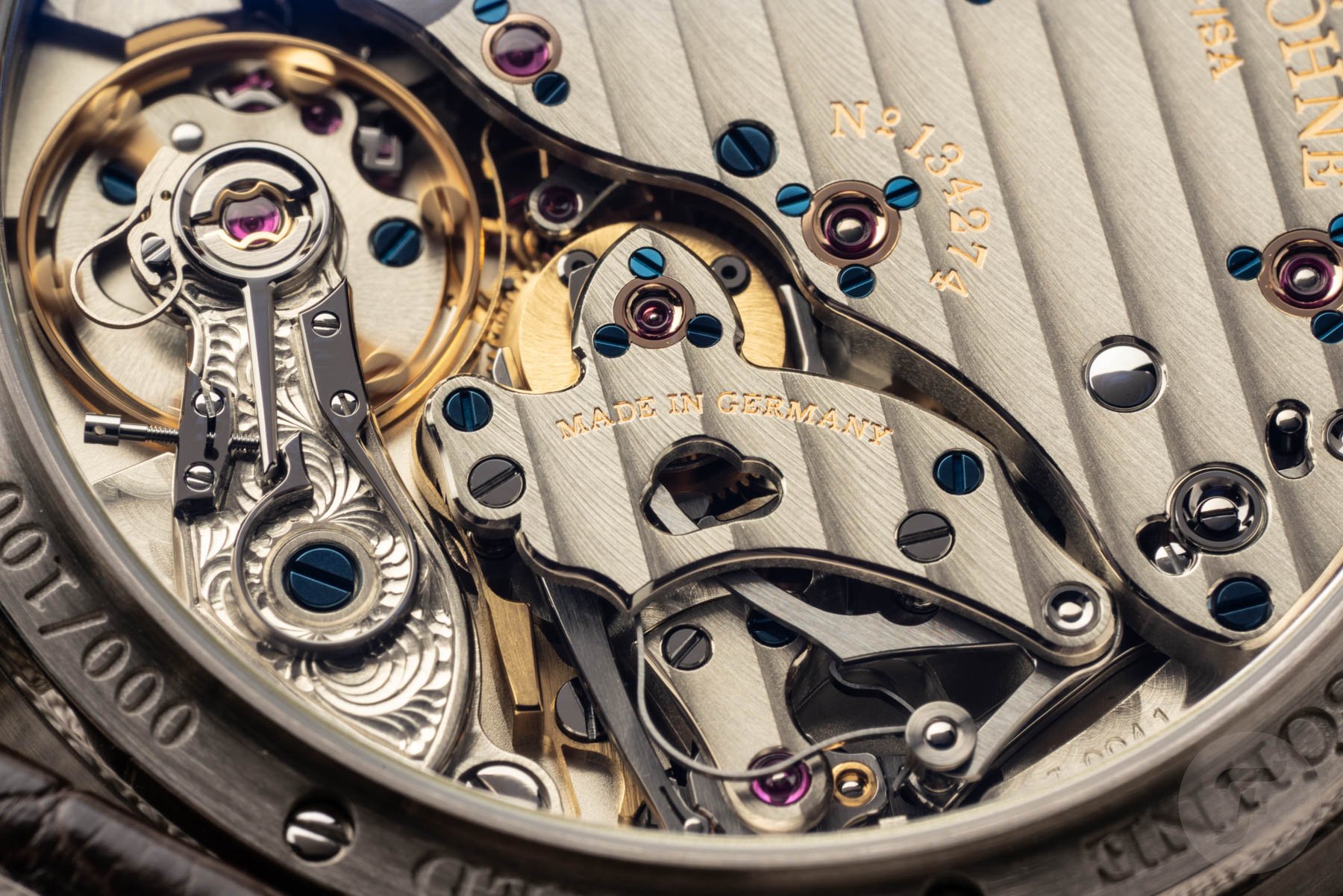
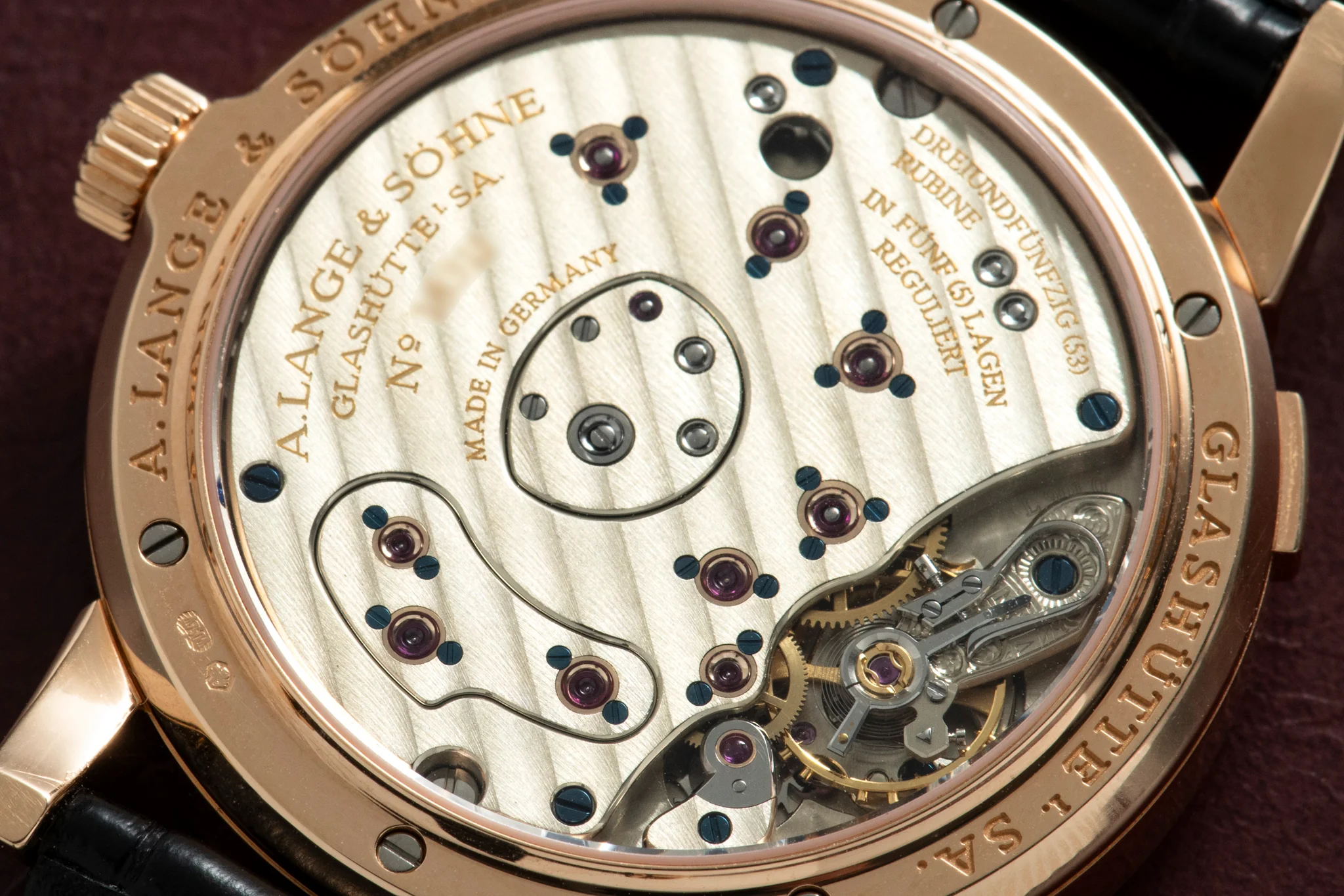
In watchmaking, it is usually treated with a certain reverence. Untreated German silver bridges have a warmer, softer look than rhodium-plated brass. They age differently too, slowly developing the golden tone often associated with traditional Saxon movements.
But before it became a sign of high-end finishing, German silver was valued for a simpler reason: it looked like silver without being silver.
What is German silver?
German silver is an alloy of copper, nickel and zinc.
The exact formula can vary, but the important part is simple: there is no silver in it. The pale colour comes mainly from the nickel, while the copper gives the alloy some of its warmer tone.
You may also see the same family of alloys called:
- nickel silver
- maillechort
- argentan
- alpacca
- white copper
In French and Swiss watchmaking contexts, maillechort is probably the most familiar name.
Why the confusing name?
The “silver” part is easy. The alloy was useful because it looked like silver while being much cheaper. That made it practical for cutlery, decorative objects, plated goods and small precision parts.
The “German” part is less straightforward.
Similar white copper alloys were known in China before they became common in Europe. European makers later developed their own versions using copper, nickel and zinc. In the nineteenth century, the material became especially associated with German-speaking regions, including Saxony.
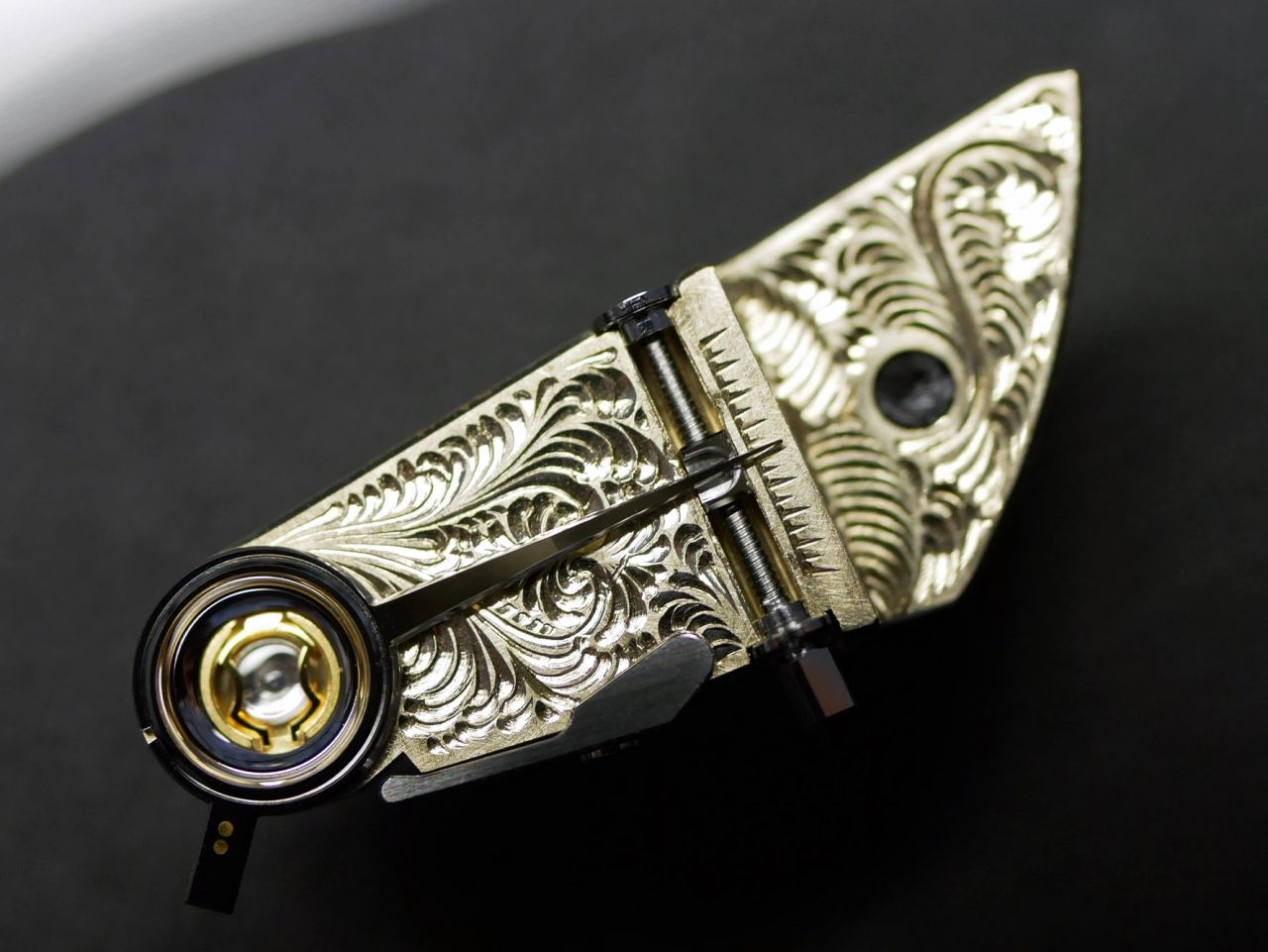
That association is important for watchmaking. German silver became part of the visual language of Glashütte movements: three-quarter plates, warm bridges, blued screws, gold chatons and hand engraving.
So “German silver” is not really a literal description. It is a trade name shaped by appearance, geography and history.
Why maillechort?
French took a different route.
Instead of calling it German silver or nickel silver, French uses maillechort. The name comes from Maillot and Chorier, two names associated with the development of the alloy in France.
That gives the same material a very different feeling depending on the language.
In English it suggests a silver substitute. In industry, nickel silver. In French watchmaking, maillechort.
Why does it matter in watchmaking?
Most movement plates and bridges are made from brass, often finished with rhodium, nickel or gold plating. The plating protects the surface and gives the movement its final colour.
German silver can be left untreated.
That is the main difference visually. Instead of a bright plated surface, the material itself becomes visible. Over time it can develop a soft golden patina, giving the movement a warmer and less industrial look.
This is why collectors often associate it with traditional high-end movement finishing. It is not just a base material. It becomes part of the character of the movement.
The downside
German silver is beautiful, but it is not especially forgiving.
When left untreated, it can stain from fingerprints, moisture or careless handling. A plated brass movement hides more of this. German silver does not.
That makes it more demanding during assembly and finishing. The final surface is closer to the raw material, so mistakes are easier to see.
But that is also part of the charm. It is not a perfectly sterile material. It changes slowly, and the movement changes with it.
A material with two lives
German silver has a strange contradiction.
Outside watchmaking, it was often used as a cheaper substitute for silver.
Inside watchmaking, it became almost the opposite: a deliberate material choice, valued for its warmth, tradition and the way it ages.
The name is misleading, but maybe that is what makes it memorable.
German silver is neither German in origin, nor silver in composition. In the right movement, however, it is unmistakably part of the language of fine watchmaking.